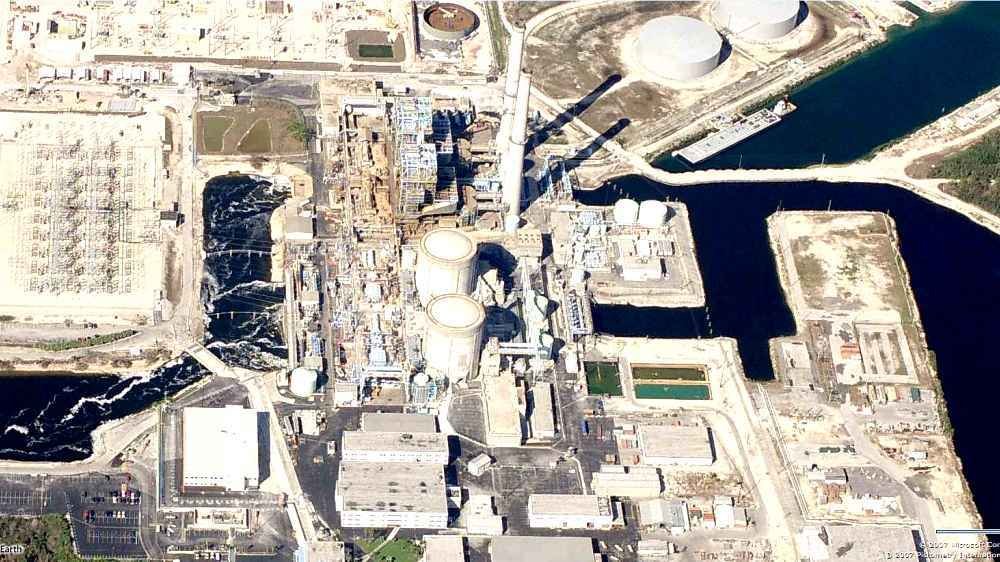
The Turkey Point Nuclear Generating Station, a cornerstone of South Florida's energy infrastructure, has achieved a landmark milestone: the first nuclear power plant in the United States to receive approval for an 80-year operating life. This unprecedented extension from the U.S. Nuclear Regulatory Commission (NRC) solidifies Turkey Point's role in providing reliable, carbon-free energy for decades to come, sparking both praise for its long-term potential and ongoing discussions about its environmental and community impacts.
Located two miles east of Homestead in Miami-Dade County, this vast 3,300-acre site is more than just a power plant; it’s a complex of diverse energy generation, situated uniquely beside Biscayne National Park. Owned and operated by Florida Power & Light (FPL), Turkey Point stands as Florida's third-largest generating station, serving millions across the region.
A Legacy of Power: The Turkey Point Story
Turkey Point's history is as multifaceted as its current operations. The facility began its life with two now-retired 404 MW fuel oil/natural gas/used oil/propane-fired units, demonstrating FPL's long-standing commitment to powering the region. Today, it hosts two 802 MWe Westinghouse pressurized water reactors, Units 3 and 4, which came online in 1972 and 1973, respectively, alongside a modern 1,150 MW combined-cycle gas-fired Unit 5.
The journey to an 80-year lifespan began in 2002 when the NRC first extended the operating licenses for Units 3 and 4 from 40 to 60 years. The subsequent approval in 2019, extending them to an impressive 80 years, truly made history. This long-term vision extends further with plans for two new 1,117-MWe Westinghouse AP1000 reactors, Units 6 and 7, which received combined licenses in 2018. Understanding the full historical timeline and evolution of this critical facility is fascinating; to grasp the full narrative of its development and strategic importance, you can Learn more about the station Explore.
Powering Tomorrow: Nuclear Operations and Technology at Turkey Point
At the heart of Turkey Point’s sustained operation are its nuclear reactors, Units 3 and 4. These Westinghouse pressurized water reactors represent a sophisticated application of nuclear technology, generating electricity efficiently and with minimal greenhouse gas emissions. The process involves intricate systems designed to safely control nuclear fission and convert heat into power, a complex dance of engineering and physics that keeps the lights on for millions.
The proposed AP1000 reactors for Units 6 and 7 signify a move towards even more advanced and passive safety features, showcasing FPL's investment in next-generation nuclear technology. These plans highlight a continuous drive for innovation and improved operational capabilities. For a deeper dive into how these marvels of engineering function and the advanced systems in place, we invite you to Unlock Nuclear Operations insights.
Stewards of the Environment: Balancing Energy and Ecosystems
Turkey Point’s unique location brings with it significant environmental considerations and responsibilities. Instead of traditional cooling towers, the plant utilizes an expansive 10-square-mile network of cooling canals, covering nearly 6,000 acres. This system, while integral to the plant's operation, has presented challenges over the years, including concerns about pollution affecting nearby national parks and the Biscayne Aquifer, as well as saltwater contamination reaching miles inland. Efforts to address these issues, including a controversial cleanup process initiated in 2016, are ongoing.
Yet, the site is also a designated wildlife preserve, playing an unexpected role in conservation. The cooling canals themselves have paradoxically created a favorable habitat for the American crocodile, contributing to its reclassification from endangered to vulnerable. Exploring these complex interactions between industrial operations and ecological preservation reveals a nuanced story of coexistence and impact. To understand the full scope of the plant’s ecological footprint and its active conservation efforts, Explore environmental impact and conservation.
Fortifying Florida's Future: Safety, Security, and Incident Response
Safety is paramount in nuclear operations, and Turkey Point is built with robust protocols and designs to ensure secure and reliable power generation. The plant's resilience was famously tested during Hurricane Andrew in 1992, where, despite widespread damage to non-nuclear structures and a total loss of offsite power, the nuclear containment buildings remained intact, thanks to their construction to withstand extreme winds up to 235 mph.
Over the decades, Turkey Point has experienced various incidents, each providing valuable lessons that strengthen operational procedures. These include a 2005 failure of emergency feedwater pumps, a 2017 electrical fault leading to a reactor trip and an NRC "alert," and a 2008 widespread power outage that saw both reactors shut down. The NRC actively monitors and investigates such events, ensuring continuous improvement in safety standards. Furthermore, comprehensive emergency planning zones—a 10-mile plume exposure pathway and a 50-mile ingestion pathway—are established around the plant, with response plans continuously updated for the growing population of South Florida, including Miami, which is just 25 miles away. To delve into the specific measures and incident responses that uphold the highest standards of protection, we encourage you to examine the Safety & Security Protocols.
Beyond the Grid: Turkey Point's Economic and Community Footprint
As a major energy provider, Turkey Point's impact extends far beyond the kilowatt-hours it generates. It represents a substantial economic engine for Miami-Dade County and the broader South Florida region. The proposed expansion of Units 6 and 7 alone carries an estimated cost of $12.1–$17.8 billion, a significant investment that translates into jobs, local spending, and tax revenues, contributing to the economic vitality of the surrounding communities.
While the plant enjoys strong support from local leadership, such as the mayor of Homestead, its expansion plans have also drawn criticism from some South Florida mayors. Concerns raised include water usage, the challenges of evacuation planning for a growing populace, and the potential implications of rising sea levels. Navigating these complex relationships between energy needs, economic development, and community concerns is a continuous process. For a detailed understanding of its financial contributions and the nuanced community perspectives surrounding its operations, explore the Economic & Community Impact.
Powering Ahead for Generations
The Turkey Point Nuclear Generating Station stands as a testament to enduring energy generation and continuous innovation. Its 80-year operating license positions it as a critical asset for Florida’s energy future, providing clean, reliable power for generations to come. From its robust nuclear operations and intricate environmental stewardship to its steadfast safety protocols and profound economic influence, Turkey Point exemplifies the complex balance required to power a dynamic and growing region. As it moves forward, Turkey Point will undoubtedly continue to evolve, shaping the landscape of energy production and community engagement in South Florida.