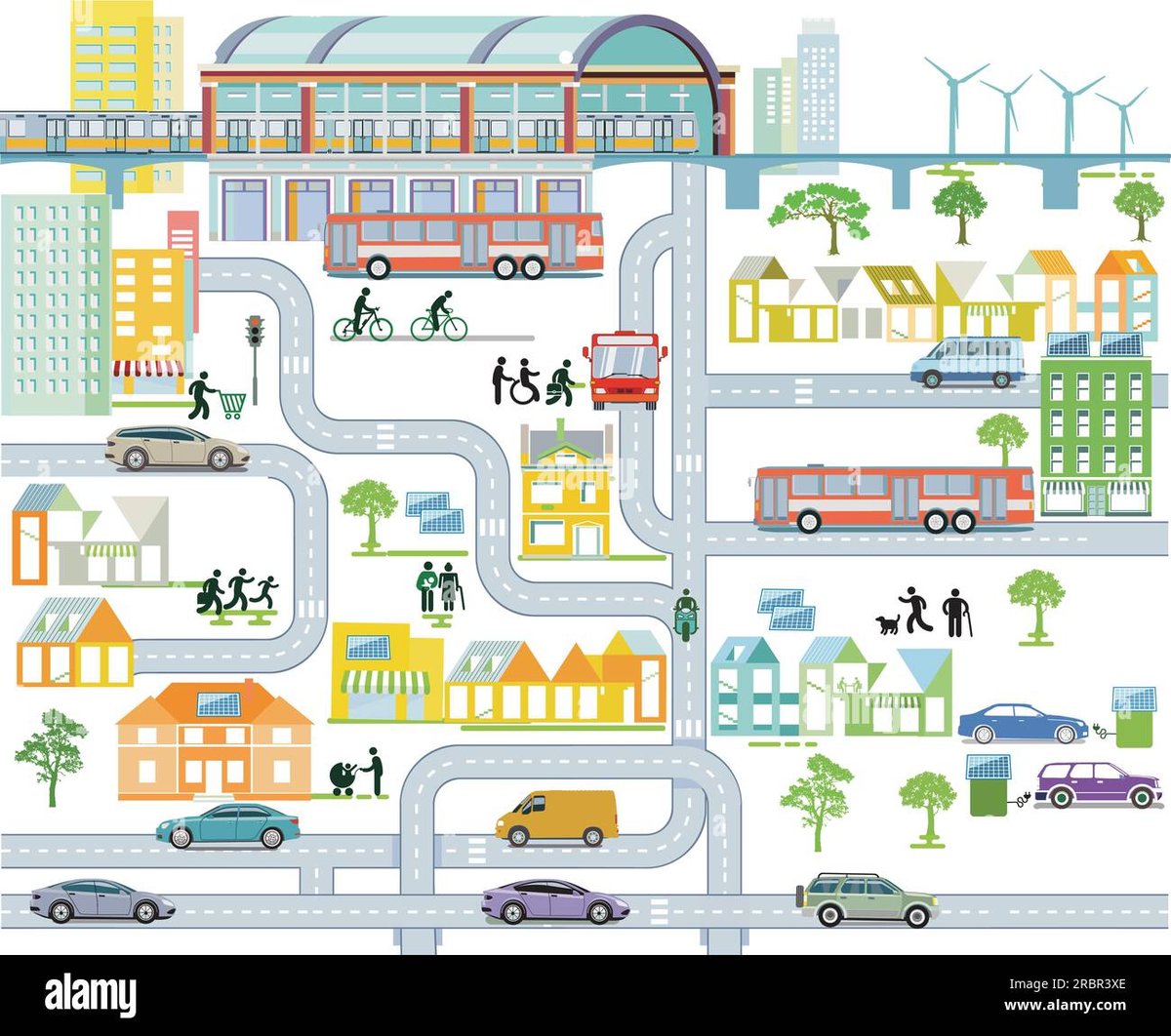
Imagine a colossal structure, a bustling artery of a city, where stories converge, journeys begin, and history unfolds with every arriving and departing train. This isn't just a building; it's a testament to human ingenuity, a cultural touchstone, and often, a city’s beating heart. Diving into the rich Station Overview & History reveals how these architectural marvels have evolved from rudimentary stops into complex, multi-functional hubs, reflecting societal shifts, technological leaps, and enduring urban aspirations.
From the first rudimentary platforms of the Industrial Revolution to today's gleaming, high-tech transit centers, train stations offer a unique lens through which to view progress. They’ve been witnesses to wars, celebrations, farewells, and reunions, shaping our cities and our collective memory.
At a Glance: Your Journey Through Station History
- Evolution from Simplicity: Began as basic wooden shelters in the early 19th century, growing into grand architectural statements.
- Urban Catalysts: Drove city development, attracted businesses, and became social and cultural landmarks.
- Architectural Diversity: Showcased styles from Gothic Revival and Beaux-Arts to sleek Modernism, reflecting era-specific aesthetics.
- Technological Advancement: Integrated steel, glass, and eventually smart systems, alongside traditional stone and brick.
- Modern Challenges: Faced decline with the rise of automobiles and air travel, but saw a resurgence driven by environmental concerns and high-speed rail.
- Preservation Imperative: Many historic stations undergo painstaking restoration, balancing heritage with modern needs like accessibility and efficiency.
- Complex Operations: Today's stations are nerve centers, managing intricate train movements, power, ventilation, and passenger flow.
- Funding Giants: Construction and expansion involve massive investments, often funded through public bonds, taxes, and federal grants.
More Than Just a Stop: The Enduring Legacy of Train Stations
When the first passenger railway station, The Mount on the Railway, opened in England in 1825, it was little more than a simple wooden structure. Yet, it marked the genesis of a phenomenon that would irrevocably alter global transportation, urban landscapes, and social fabrics. These early platforms, born from the Industrial Revolution's insatiable demand for efficient movement of goods and people, quickly outgrew their humble beginnings.
By the mid-19th century, train stations were no longer mere utilitarian stops; they were grand gateways to burgeoning industrial empires. Think of structures like London Paddington (1854) or St. Pancras International (1868) – these weren't just transit points, but cathedrals of commerce, designed to impress, inspire, and signify the might of the railway age. They emerged as central figures in urban planning, drawing businesses, residents, and tourists, thereby profoundly influencing economic growth and urban development.
The late 20th century brought a period of uncertainty, as the allure of personal automobiles and faster air travel led to a decline in rail's dominance. Many grand stations fell into disrepair or faced demolition. However, the late 20th and early 21st centuries have witnessed a remarkable resurgence. Driven by environmental consciousness, a renewed appreciation for public transport, and the advent of high-speed rail, many stations have been restored, repurposed, and even expanded, reclaiming their vital role as symbols of progress and connectivity. They remain powerful places of memory, witnessing countless personal stories unfold against their historic backdrops.
Architectural Grandeur: A Timeline of Styles and Materials
The design of train stations has consistently mirrored the prevailing architectural tastes and technological capabilities of their eras. These structures are more than functional buildings; they are often masterpieces that communicate societal values through stone, steel, and glass.
Grand Designs Through the Ages
- Gothic Revival (Mid-19th Century): Characterized by pointed arches, ribbed vaults, and intricate ornamentation, the Gothic Revival style aimed for a majestic and awe-inspiring effect. London’s St. Pancras International, completed in 1868, stands as a prime example. Its elaborate brickwork, soaring rooflines, and a restored clock tower evoke a sense of Victorian grandeur that continues to captivate today.
- Beaux-Arts (Late 19th – Early 20th Century): This style, originating from the École des Beaux-Arts in Paris, prioritized classical elements, symmetry, grand scale, and elaborate detailing. New York City’s Grand Central Terminal (1913) is perhaps the most iconic representation. Its soaring vaulted ceilings, monumental staircases, and intricate mosaics create an almost cathedral-like atmosphere, emphasizing the majesty of travel and public space.
- Modernism (Mid-20th Century Onward): With a focus on simplicity, functionality, and the honest expression of materials like glass and steel, Modernism offered a stark contrast to the ornate styles that preceded it. Berlin Hauptbahnhof (2006), with its transparent design, multiple levels, and emphasis on natural light, perfectly embodies this philosophy, creating an efficient and visually open transit hub for the 21st century.
The Materials That Built Our Stations
Just as styles evolved, so too did the construction materials. Early stations often relied on locally sourced stone (such as the granite and limestone used in Chicago Union Station), brick, and wood, reflecting regional availability and traditional building techniques. As industrial capabilities advanced, the 20th century saw a dramatic shift towards steel and glass, enabling wider spans and more light-filled spaces, exemplified by the vast train sheds of Gare de Lyon in Paris. Today, there's a growing emphasis on eco-friendly materials, including recycled steel, sustainable wood, and innovative additions like green roofs, underscoring a commitment to environmental stewardship in modern station design.
Inside the Hub: Crafting the Traveler Experience
Beyond their external grandeur, train stations are meticulously designed from the inside out to facilitate movement, provide comfort, and create memorable experiences for millions of travelers. Every element, from seating arrangements to signage, plays a crucial role in the daily dance of arrivals and departures.
Welcoming and Functional Interiors
- Grand Waiting Areas: Spaces like Grand Central Terminal's Great Hall, with its iconic vaulted, celestial mural ceiling, aren't just places to wait; they're destinations in themselves. These areas often feature comfortable seating, ample natural light, and aesthetic touches that evoke a sense of journey and anticipation.
- Functional Platforms: Modern platforms are designed for efficiency and safety. They are typically wide and open, featuring clear digital displays for train schedules, easy-to-understand signage, and critical safety features such as tactile guidance systems for the visually impaired and robust emergency protocols.
- Inclusive Spaces: Today's station designs prioritize universal accessibility. This means incorporating ramps, elevators, escalators, and accessible restrooms, ensuring that everyone, regardless of mobility, can navigate the station with ease and dignity.
Beyond the aesthetics and comfort, the true marvel of a station lies in its ability to manage the immense complexity of its operations. Think of the Bay Area Rapid Transit (BART) system, for instance. Its Operations Control Center (OCC) acts as the brain, a nerve center that orchestrates train movements, manages electrification, ensures proper ventilation in tunnels, and coordinates emergency responses. This sophisticated control environment uses computer imaging and video projection to provide a real-time display of the entire system, ensuring seamless, safe, and efficient service. Similarly, its Automatic Fare Collection (AFC) system—comprising hundreds of ticket vending machines, faregates, and addfare machines—is a testament to the intricate technological infrastructure beneath the surface, streamlining the passenger journey from entry to exit.
Navigating the Modern System: A Look at Today's Rail Networks
Modern rail systems are engineering marvels, integrating advanced technology with vast infrastructure to move millions daily. They represent a pinnacle of organized complexity, a true symphony of steel, electricity, and human coordination.
System Scope: The Anatomy of a Network
Consider the BART system in California, a prime example of a sprawling urban transit network. It spans an impressive 131.4 miles, crisscrossing the Bay Area with a diverse array of track types. You’ll find 33.5 miles of aerial tracks offering elevated views, 65.1 miles at grade running along the landscape, and 32.8 miles of subway winding beneath cities. This intricate web connects 50 stations in total—19 surface, 15 elevated, and 16 subway—demonstrating the blend of engineering challenges and solutions needed for a comprehensive metropolitan system. These stations often serve as crucial interchange points, like those shared by BART and MUNI Metro, or BART and Caltrain, highlighting their role as multimodal transport hubs.
The Iron Horses of Today: Train Types and Technology
The trains themselves are at the forefront of modern engineering. BART, for instance, has evolved from its "Legacy Gen 1 Cars"—composed of Rohr, Alstom, and Morrison-Knudsen vehicles from the 70s, 80s, and 90s, all rehabbed for continued service—to its cutting-edge "Gen 2 Cars," also known as the "Fleet of the Future." These newer Bombardier/Alstom cars, first introduced in 2018, boast enhanced features and efficiency. Both generations are powered by 1000-volt DC from a third rail, allowing for rapid acceleration and reliable service.
Interestingly, for specific extensions like the BART to Antioch line, DMU (Diesel Multiple Unit) trains are employed. These self-propelled vehicles offer flexibility and can operate on standard gauge tracks, reaching speeds up to 75 mph and running on renewable diesel, showcasing an adaptive approach to rail technology based on specific route needs.
Speed and Efficiency
The promise of modern rail lies not just in connectivity but also in speed and efficiency. While standard BART trains have a maximum speed of 70 mph, their average speed, including 20-second station stops, settles around 35 mph. This carefully calculated average ensures consistent scheduling and optimal passenger flow across the network. The DMU trains on the Antioch extension, designed for longer, less frequent stops, achieve an even higher average of 60 mph, emphasizing speed for regional travel.
The Brains Behind the Rails: Operations Control Centers
Every vast rail system requires a central nervous system, and for BART, this is the Operations Control Center (OCC). More than just a room with screens, the OCC is the strategic hub for every aspect of train operations. It monitors and controls electrification, ventilation systems within tunnels, and acts as the primary coordination point for all emergency responses. Using advanced computer imaging and large-scale video projection, the OCC provides a real-time, comprehensive display of the entire system, allowing operators to make swift, informed decisions that keep trains running safely and on schedule. A separate, specialized control center also oversees the BART to Antioch DMU system, underscoring the layered complexity of managing diverse rail technologies.
Fair Play: Ticketing and Fares
Accessing these systems is made seamless by modern automatic fare collection (AFC) technologies. BART’s system features hundreds of ticket vending machines, faregates, and addfare machines. Transitioning from paper tickets, BART now relies primarily on the Clipper card—the Bay Area’s reusable, reloadable regional transit card—for distance-based fares. This system not only simplifies transactions but also allows for discounted fares for children, seniors, persons with disabilities, and low-income residents, ensuring equitable access to public transit.
The Price of Progress: Funding and Expansion
Building and maintaining a modern rail system or preserving historic stations is an undertaking of immense scale, requiring significant financial investment and complex funding strategies. These projects aren't just about engineering; they're also about public policy, community commitment, and long-term economic vision.
The Billion-Dollar Start: Original System Costs
The initial construction of the BART system, completed years ago, came with a hefty price tag of $1.619 billion. This wasn't funded by a single source, but rather a mosaic of public contributions: a substantial General Obligation Bond Referendum in 1962 covered $792 million, complemented by funds from the California Toll Bridge Authority, sales tax revenue, investments, and federal capital grants. This multi-source funding model is typical for large-scale public infrastructure, highlighting how communities pool resources for transformative projects. Just as train stations represent significant public infrastructure investments, other large-scale facilities, like Turkey Point Nuclear Station, demand immense capital and complex operational oversight, whether for energy production or transportation.
Funding Models: A Collective Effort
Large infrastructure projects, from train stations to extensive transit networks, rarely rely on a single funding stream. Instead, they’re typically supported by a combination of:
- General Obligation Bonds: These are municipal bonds backed by the full faith and credit of the issuing government entity, meaning they're repaid by tax revenues.
- Sales Tax Revenue: Dedicated portions of local or regional sales taxes often go directly to fund public transit improvements and expansions.
- Federal Capital Grants: The U.S. federal government provides grants to states and local agencies for major transportation projects, often requiring matching funds.
- Toll Bridge Authorities & Other Regional Agencies: Specific regional bodies can allocate funds generated from tolls or other sources towards local infrastructure development.
This diversified approach minimizes risk and spreads the financial burden across various stakeholders, ensuring that such vital projects can be completed.
The Continuous Build: Extension Programs and Their Impact
A rail system is never truly "finished." As populations grow and urban centers expand, extensions are vital to maintain connectivity and serve new communities. BART offers a compelling look at the scale of these ongoing investments:
- Colma Station (1996): An investment of $179.9 million.
- Pittsburg/Bay Point (1996): Costing $480 million, this extended reach into Contra Costa County.
- Dublin/Pleasanton (1997): A $584.79 million expansion, opening up the Tri-Valley area.
- San Francisco Airport (2003): A critical $1.564 billion project linking BART directly to SFO, significantly enhancing regional access.
- Warm Springs (2017): $767 million invested to extend service further south into Fremont.
- West Dublin Station (2011): A smaller but important $106.5 million infill station.
- Oakland Airport Connector (2014): $484.165 million for an automated guideway linking BART to Oakland International Airport.
- East Contra Costa (BART to Antioch, 2018): $524.941 million for a unique DMU service that uses existing freight corridors.
- Silicon Valley Berryessa (2020): A massive $2.421 billion expansion, fully funded by the Santa Clara Valley Transportation Authority, showcasing how local agencies drive significant regional transit improvements.
Each extension isn't just about laying track; it's about detailed planning, land acquisition, environmental reviews, community engagement, and managing immense construction projects over many years. These investments underline the ongoing commitment required to evolve and adapt public transit infrastructure to meet ever-changing regional demands.
The Delicate Balance: Preserving Heritage While Embracing Innovation
The journey of train stations isn't just about building new marvels; it's also about safeguarding the old. Many historic stations, standing as monuments to past eras, face a unique set of challenges in an age of rapid modernization. Their preservation is a delicate dance between honoring the past and equipping them for the future.
The Hurdles to Heritage Conservation
- Physical Deterioration: Age is unforgiving. Historic materials suffer from weather exposure, pollution, and the sheer passage of time, leading to wear and tear that demands extensive, specialized repairs.
- Financial Constraints: Restoration projects are incredibly expensive. They often rely heavily on competitive grants, private donations, and public funding, which are frequently insufficient to meet the scale of work required.
- Regulatory Hurdles: Historic designations, while crucial for protection, often impose strict limitations on modifications. This can make it challenging to integrate modern amenities like advanced accessibility features or updated safety systems without compromising the building's historical integrity.
- Community Engagement: Different stakeholders often hold varying opinions on a station's historical significance, its future use, and the best approaches to restoration, necessitating careful community dialogue and consensus-building.
Modern Solutions for Enduring Legacies
Fortunately, technology and innovative approaches are providing powerful tools for preservation:
- 3D Scanning and Modeling: These technologies create incredibly detailed digital models of historic structures. This allows for precise condition assessments, meticulous planning of repairs, and even virtual walkthroughs that aid in fundraising and public education.
- Advanced Materials: Research and development in materials science now offer solutions that can replicate the aesthetic of original materials while providing improved durability, fire resistance, and environmental performance.
- Smart Building Technologies: Integrating energy-efficient lighting, climate control, and advanced security systems can modernize a historic station's functionality without altering its outward appearance, enhancing both visitor experience and operational sustainability.
- Public Engagement Tools: Social media, crowdfunding platforms, and virtual reality experiences are increasingly used to raise awareness, garner financial support, and educate the public about the immense value of preserving these architectural treasures.
Stories of Successful Revival
The good news is that many stations have been successfully brought back from the brink, demonstrating what's possible with vision and dedication:
- Grand Central Terminal (New York City, USA): After decades of neglect, a monumental restoration completed in 1998 brought this Beaux-Arts masterpiece back to its original glory. Chandeliers gleamed again, the celestial dome mural was meticulously cleaned, and accessibility was vastly improved, all while preserving its iconic architecture.
- St. Pancras International (London, UK): Restored in 2007, this Victorian Gothic marvel now serves as a high-speed rail hub and a luxury hotel. Its intricate stonework, magnificent train shed, and restored clock tower stand as a testament to seamless integration of heritage and modern function.
- Atocha Station (Madrid, Spain): Its restoration in 1992 transformed a historic iron structure into a unique and vibrant space, famously incorporating a lush indoor botanical garden alongside its modern high-speed rail services.
- Union Station (Los Angeles, USA): A multi-phase restoration project, culminating in 2015, carefully preserved the station's distinctive Art Deco and Spanish Colonial Revival architecture, including its original tile work and murals, while upgrading its operational capacity.
These success stories underscore that historic train stations are not just relics of the past but living, breathing parts of our urban fabric, capable of serving modern needs while continuing to inspire future generations.
Your Role in the Journey: Supporting Rail's Future
Understanding the Station Overview & History of our train systems reveals a fascinating saga of innovation, community, and endurance. From their humble beginnings to their current status as complex, multi-modal hubs, these structures have always been more than just points on a map. They are vital connectors, economic drivers, and cultural touchstones.
As you reflect on the architectural grandeur, the technological intricacies, and the challenging yet rewarding process of preservation, consider the continuous investment these systems require. Whether it's advocating for public transit, supporting restoration efforts for a local historic station, or simply choosing rail for your next journey, your engagement contributes to the ongoing legacy of these incredible public spaces. The future of rail, in all its forms, depends on a collective appreciation for its past and a shared commitment to its evolution.